

Quick facts by PokerStrategy
- Out of position in poker means you act first during postflop betting rounds.
- It’s a major disadvantage, as you’ll have less information and less control of the pot.
- Out of position poker strategy requires a defensive approach combined with selective aggression.
- Avoid playing too many hands and inflating pots with medium strength holdings when out of position.
What Is Out of Position in Poker?
Out of position in poker means that you will act first during every postflop betting round. This is a disadvantage because your opponent, who is in a position, gets to see how you act and use this information to make their decisions.
Being out of position makes it harder to control pots, bluff successfully, or extract value. That’s why it’s recommended to play tighter ranges and take more cautious betting lines.
Out of Position Example Hand
To see why this matters in practice, let’s look at an example of a hand that plays well when in position, but becomes troublesome from out of position:
- Player A: K♣ J♠
- Player B: ?
- Board: A♣ K♥ 2♠
Player A checks from out of position, and Player B makes a continuation bet. Fro out of position, player A faces tough decisions, ahead of any bluffs and some thin value bets. Player A can still call the bet if they are ahead of this range, but they aren’t exactly thrilled and will have to be careful on the turn.
In position, Player A would have an easy decision to call the c-bet and reevaluate on the turn. If Player B checked any street, they could check behind for pot control and more easily make it to showdown with their medium strength hand.
It’s important to note that the challenges of being out of position in poker apply to any situation and only get worse as the hand progresses.
In Position vs Out of Position
Position is one of the most powerful advantages in poker. Acting last gives you extra information and more control over the hand.
Benefits of being in a position:
- Control the size of the pot more effectively by checking or flat calling bets.
- Extract value with strong hands by betting and raising.
- Bluff more successfully by reading weaknesses in opponents’ betting patterns.
- Lose fewer chips in marginal spots.
Drawbacks of being out of position:
- Easy to lose control of the pot, as you are forced to react to bets or raises.
- More difficult to extract value, as the opponent in position can control the pot size.
- Bluffs are riskier due to the limited information and control.
- Often forced to fold marginal spots to avoid confrontations.
Adjusting Ranges When Out of Position
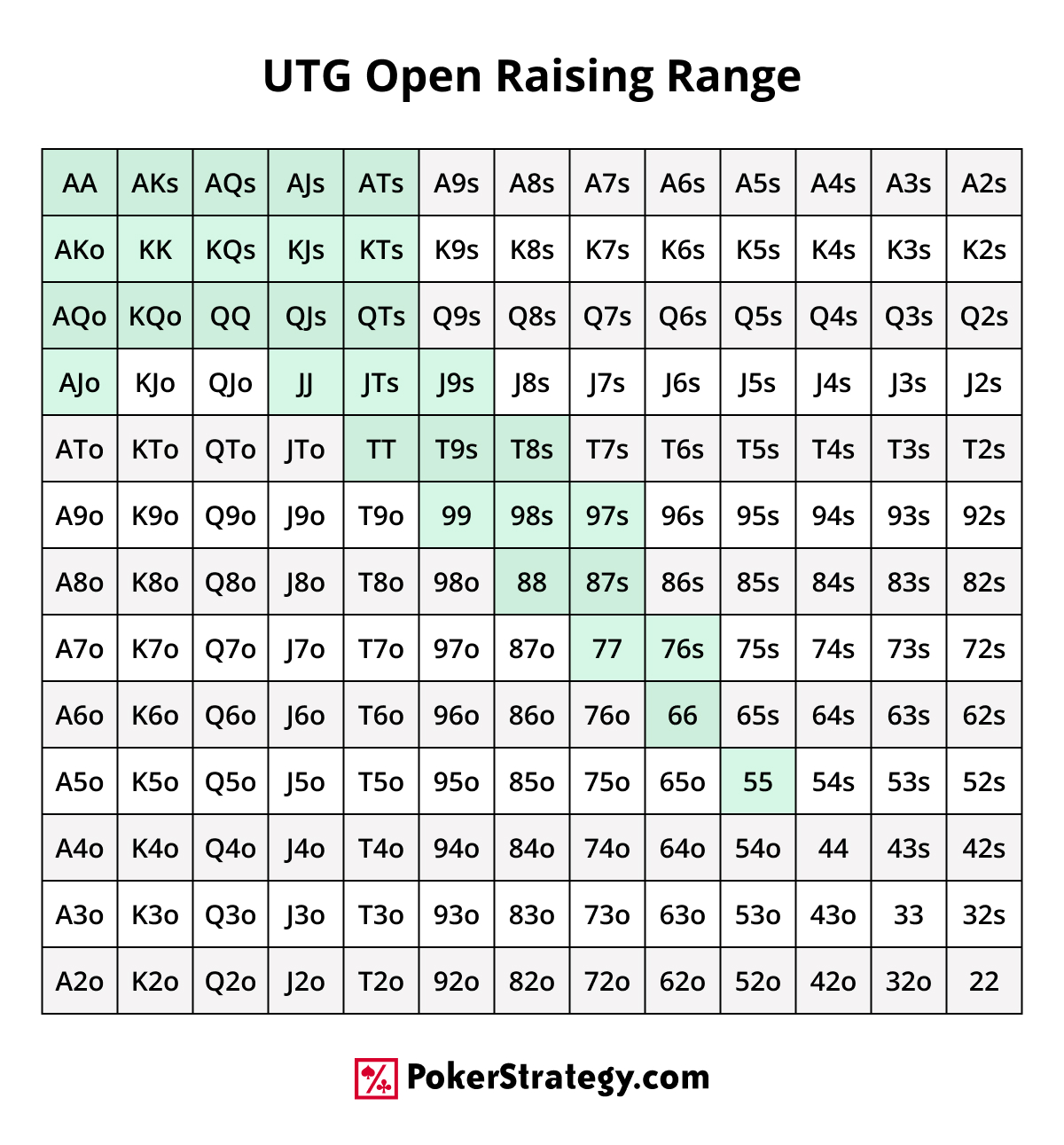
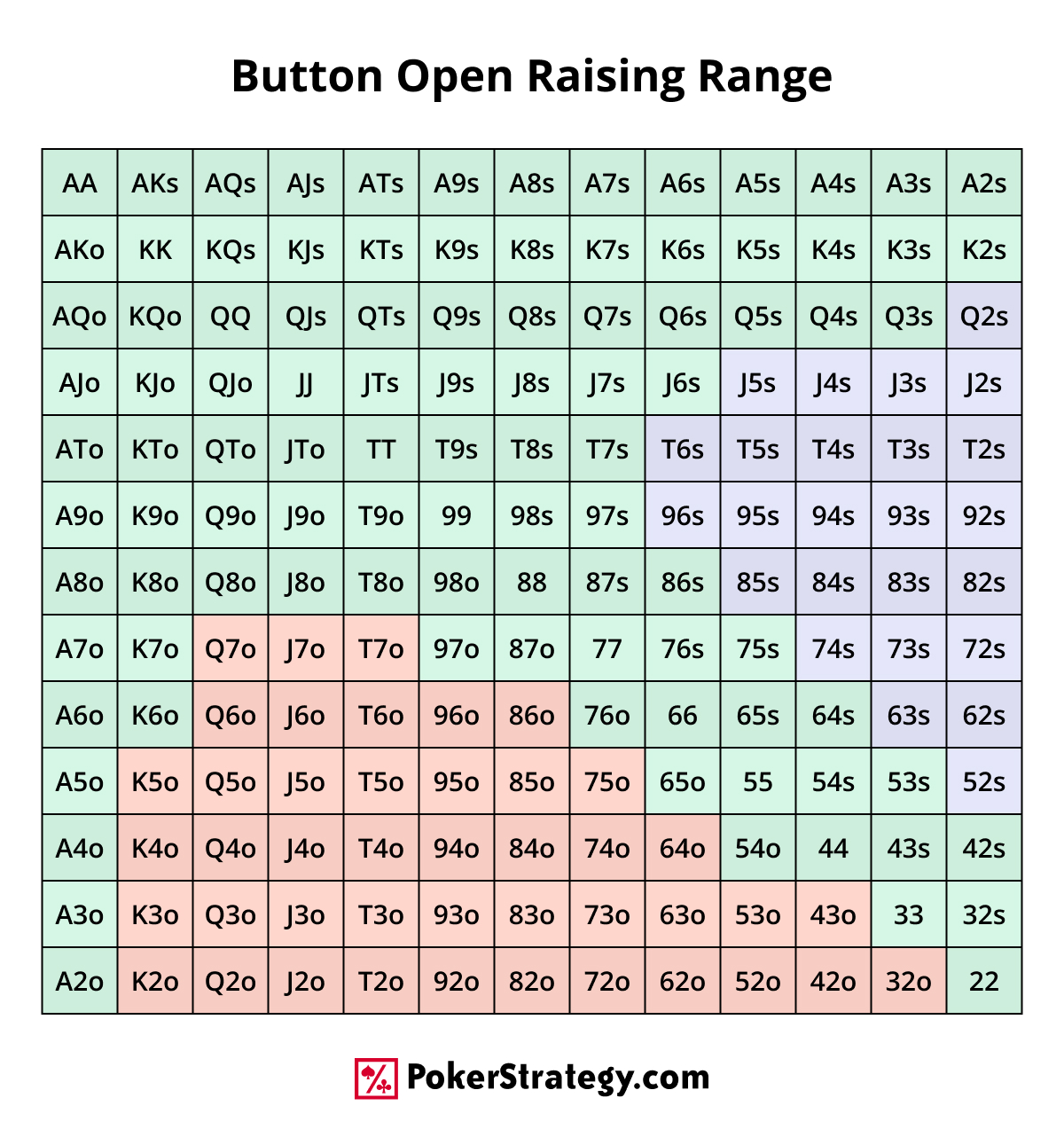
When raising from an early position, you have a lot more players to get through who could wake up with a strong hand or flat call in position. In contrast, when open-raising from late position, such as the button or cutoff, there are fewer players to get through, and you are likely to have the positional advantage postflop.
That’s why position directly shapes your ranges. The later you act, the wider you can play.
From an early position, you should stick to a very tight range of strong hands mixed with a few bluffs. From the button, you can profitably open-raise well over 50 percent of hands.
Typical ranges by position:
- Early Position: Stick to a very tight range of premium hands and a few strong bluffs.
- Middle Position: Add a few more strong hands and bluffs, but still stay fairly selective.
- Late Position: Open up significantly – raise or flat call with medium-strength hands, bluffs, and speculative holdings.
Check out these standard open-raising charts that compare early and late positions. They highlight how much position influences your ranges:
Bluffing Considerations Out of Position
Bluffing from out of position in poker is much riskier than bluffing from in position. This is especially true on online poker sites, where opponents have access to thousands of hands and can spot unbalanced tendencies quickly.
When out of position, you must make decisions and often lead the betting without knowing your opponent’s strength or intentions. It’s also difficult to apply pressure, as your opponent can easily call one street of betting with a weak hand, or float the flop with the intention of taking down the pot on the turn.
Strong out of position bluff lines, such as check-raising or betting multiple streets, can be effective if they are well timed, as you can generate enough fold equity to force an in position player out of the pot. However, these high-pressure bluffs are risky and costly when you get them wrong.
That doesn’t mean bluffing out of position is impossible – it just requires being very selective and having plenty of factors working in your favour.
You may have a profitable bluffing opportunity out of position if:
- The board heavily favours your range.
- You have initiative after betting or raising preflop.
- You have decent equity in your hand, such as semi-bluffing a draw.
- You have a read that your opponent overfolds to c-bets, turn barrels, or check-raises.
- You have blockers or backdoor equity.
Value Betting Out of Position
Even betting for value is more challenging when you are out of position. If you check, you have no idea if your opponent will check back or bet on your behalf. If you bet, you can’t be sure whether they intend to fold, call, or raise.
This is not so problematic when you have a nutted hand or are close to it, because you only need to figure out the best way to gain maximum value. The tougher decisions come when you are weighing up thinner value spots, which exposes you to the risk of being re-raised..
However, you can’t just give up on value betting, as your out of position poker strategy depends on getting paid for winning hands.
Here are some tips for value betting from out of position:
- Value bet or check-raise very strong hands to gain the maximum for nutted combinations.
- Fire multiple streets when you have a clear range advantage.
- Go thinner for value against passive players who rarely raise without the nuts.
- Use smaller bet sizes and blocker bets with a merged range to gain value.
- Don’t overplay marginal spots and consider pot control with medium strength hands.
Defensive Strategies Out of Position
Essentially, players in position always win more, so being out of position is a built-in disadvantage.
For this reason, out of position poker strategy often encourages defensive play. The mentality is not always about winning the most chips, but also losing the least chips and preserving your stack when you are behind.
Pot Control
The idea of playing defensively is known as pot control. The aim is to prevent yourself from losing lots of chips when you have a medium strength hand that could win at showdown, such as a top pair weak kicker or middle pair type hand. Rather than leading out here, check-calling is often the most profitable betting line.
This approach keeps the pot size manageable and prevents you from getting raised off hands. Checking also gives your in position opponent a chance to bluff or bet weaker hands, which can ultimately lead to more value than you would have otherwise achieved.
If you’re playing against tough, perceptive opponents, you’ll need to balance your check-calling range by also checking with some strong hands. This prevents opponents from easily exploiting you by overbluffing multiple streets.
Blocking Bets
Another defensive way to play poker out of position is by using blocking bets. They are small bets of around a quarter to half the pot, designed to allow you to set the price while also gaining value when you are ahead. Blocking bets are usually used on the river to control the action and reach a showdown at a lower cost.
If you’re going to use blocking bets, it’s again essential that you balance your ranges by leading small with some monster hands. Otherwise, it will be too easy for opponents to raise you off the hand. Having said that, blocking bets can certainly be useful as part of your out of position poker strategy.
Common Mistakes Made Out of Position
Here are the most common mistakes players make out of position – and how to avoid them:
- Playing too many hands from early to middle position.
- Letting the pot get too big with marginal holdings.
- C-betting too often instead of being selective.
- Using check-raises without balance.
- Calling down bets without a plan.
- Ignoring opponent tendencies and reads.
Frequently Asked Questions
Why is being out of position considered a disadvantage?
Being out of position in poker gives you several disadvantages. Preflop, you’ll have more players left to act behind you. Postflop, you’ll be forced to act first on every betting street. You’ll have less information and less control over the pot.
What are the best strategies for playing out of position?
The best strategies when playing poker out of position are to control the pot with medium strength hands, play very strong hands for value, and mix in a select few well-timed bluffs.
How should I adjust my range when out of position?
Your ranges should be tighter when playing out of position in poker. This includes preflop opening ranges, along with postflop calling and betting ranges.
Can I still bluff effectively out of position?
It’s still possible to bluff effectively out of position in poker. However, you’ll have less information available and your bets will generally be called more often by the in position player. You’ll need to be selective with your out of position bluffs.